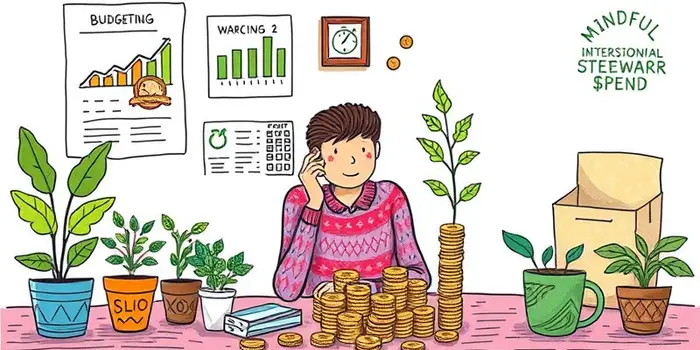
In a world overflowing with temptations and unchecked consumption, becoming a savvy spender means choosing purpose over impulse. By adopting intentional habits, you can save money, protect the planet, and invest in a more fulfilling future.
Reframing Spending: Aligning Dollars with Goals
True financial empowerment starts with a mindset shift. Instead of asking “Can I afford this?”, consider “Is this the best use of this dollar for my life?” By making every purchase a conscious decision, you transform mundane transactions into meaningful steps toward what truly matters.
Start by defining your core values—be it health, education, family time, or environmental impact. Then, align every dollar with values and goals so that every expense reinforces your long-term vision rather than fleeting desires.
Mastering Budgeting Frameworks
Effective budgeting is more than tracking receipts; it’s a roadmap for success. A classic approach divides income into needs, wants, and savings. More ambitious savers might follow a structure that prioritizes investments and opportunities:
To accommodate variable income, use tiered budgeting with target ranges that flex with bonuses or side hustles. Conduct monthly reviews to identify leaks—those categories where money silently slips away.
Taming Lifestyle Inflation and Building Saver-First Habits
Raises and windfalls often fuel lifestyle creep. Instead of upgrading every aspect of your life immediately, commit to saving at least half of any salary increase. Automate that boost into retirement or investment accounts, leaving the rest for discretionary treats.
- Track “creep-prone” categories separately, like dining out and subscriptions.
- Require a written justification or 24-hour pause for big purchases.
- Automate incremental savings boosts whenever income rises.
By pre-committing your increases to productive accounts, you lock in future wealth gains without feeling deprived today.
Credit and Debt: Strategic Management
Credit cards and loans can be powerful tools—or costly traps. The key is to extract benefits without paying hidden costs. Always pay credit card balances in full each month to avoid interest, and maintain credit utilization below 10% for optimal scores.
Use multiple cards strategically to maximize rewards in categories that match your spending—whether groceries, travel, or fuel—while keeping individual utilization low. Leverage benefits like purchase protection and extended warranties only if they align with real habits.
- Eliminate high-interest consumer debt first before tackling low-rate loans.
- Compare after-tax investment returns to debt interest when deciding to pay or invest.
- Refinance private student loans if you can substantially lower your rate.
Investing and Wealth Building: Guarding Against Erosion
At a 3.7% inflation rate, a million dollars in cash loses half its buying power in two decades. That silent decline underscores why hoarding cash is itself a form of waste. A savvy spender channels freed-up cash into productive assets, fueling compound growth.
Adopt a six-pillar financial planning framework:
- Financial position: track net worth and liquidity.
- Investment planning: diversify, rebalance, and manage risk.
- Tax planning: optimize account types and harvest losses.
- Risk management: insure health, life, and liability.
- Retirement planning: maximize employer matches and control withdrawal timing.
- Estate planning: organize wills, trusts, and beneficiary designations.
Redirect freed-up cash into productive assets to outpace inflation and grow wealth over time, ensuring your spending discipline delivers long-term security.
Reducing Waste: Saving Money and the Planet
Waste isn’t just a moral failing; it’s a financial leak. In the U.S., consumer-level food waste costs households on average $762 per year and generates emissions equivalent to 33 million cars. Tackling this waste directly saves money and reduces your carbon footprint.
Everyday tactics for a zero-waste kitchen:
- Plan meals and shop with precise lists to avoid overbuying.
- Organize your fridge using “first in, first out” rotation.
- Understand date labels—“best by” often means quality, not safety.
- Freeze leftovers and repurpose scraps into broths or creative dishes.
Minimize both financial and physical waste by viewing every discarded item as wasted resources and lost earning potential. Small daily choices compound into huge savings and a healthier planet.
By reframing every spending decision—from subscription cancellations to meal prep—you harness the full power of savvy spending. This approach doesn’t demand deprivation; it invites creativity, purpose, and intentional living. When each dollar reflects your values, the result is not only a healthier bank account but a richer, more meaningful life.
References
- https://deliberatedirections.com/high-income-budgeting-strategies-build-wealth/
- https://refed.org/food-waste/consumer-food-waste
- https://rwawealth.com/5-key-financial-planning-strategies-for-high-net-worth-individuals/
- https://www.epa.gov/facts-and-figures-about-materials-waste-and-recycling/national-overview-facts-and-figures-materials
- https://www.guardianlife.com/financial-planning/what-is-it
- https://www.fda.gov/food/consumers/food-loss-and-waste
- https://ironwoodwm.com/maximizing-your-wealth-the-6-areas-of-financial-planning/
- https://www.biocycle.net/the-state-of-food-waste-in-the-u-s/
- https://clearingcustody.fidelity.com/insights/spotlights/the-time-value-equation-strategic-time-management-for-financial-advisors
- https://www.wri.org/insights/how-much-food-does-the-world-waste
- https://wealthpreservationsolutions.com/articles-videos/strategies-to-help-maximize-your-money-1/
- https://www.usda.gov/about-food/food-safety/food-loss-and-waste/food-waste-faqs
- https://www.macu.com/must-reads/basic-finances/39-ways-to-improve-your-personal-finances-fined
- https://www.rts.com/resources/guides/food-waste-america/
- https://www.yourmoneyline.com/blog/unlocking-financial-wellness-maximizing-your-financial-health