Managing personal finances can feel overwhelming when large, infrequent expenses loom on the horizon. A sinking fund is the strategic solution that transforms these predictable costs into manageable monthly savings targets. By understanding and implementing this method, you can maintain cash flow stability and avoid high-interest debt.
Unlike general savings or emergency buffers, a sinking fund is a dedicated pool of money set aside for known future bills or goals. Whether it’s a dream vacation, an annual insurance premium, or a major home repair, you’ll always have the cash ready when the time comes.
Understanding the Sinking Fund Strategy
A sinking fund is not a bank product, but a disciplined approach to saving. You choose a specific goal, target amount, and deadline, then allocate regular contributions until you reach your objective. This method spreads large costs into predictable chunks, smoothing out your budget.
To start, identify anticipated expenses over the next year or two. These could include holiday gifts, car maintenance, or professional membership fees. By listing each planned cost, you gain clarity on how much to set aside each month or paycheck.
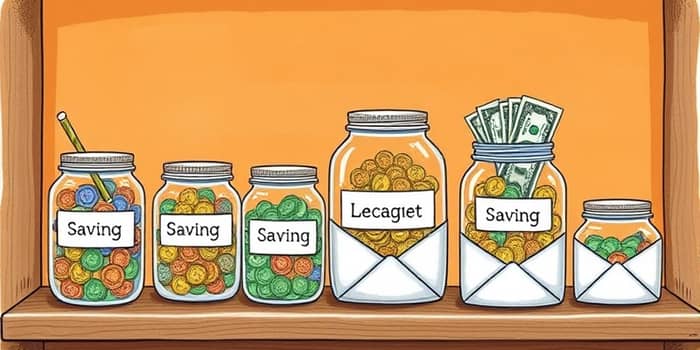
Many people mistakenly believe all savings is the same. A sinking fund, however, gives each goal its own “bucket,” preventing you from raiding your emergency savings or relying on credit cards. With clear labels and timelines, you’ll know exactly what every dollar is for.
Sinking Funds vs Emergency Funds
While both sinking funds and emergency funds involve saving cash, their purposes and use cases differ significantly. Understanding these distinctions ensures you maintain financial resilience in both planned and unexpected situations.
By keeping predictable costs in a sinking fund, you protect your emergency savings for true financial surprises.
Key Benefits of Sinking Funds
Adopting sinking funds can transform your money management. Here are the most compelling advantages:
- Avoid high-interest credit cards when expenses arrive
- Smoothly absorb large annual bills into monthly budgets
- Reduce stress and financial guilt around spending
- Follow clear, measurable saving goals with visible progress
- Earn interest on funds in high-yield accounts
These benefits work together to create peace of mind and financial stability.
Common Sinking Fund Categories
You can tailor sinking funds to reflect your lifestyle and obligations. Typical uses include:
- Travel and vacation expenses
- Annual insurance premiums and property taxes
- Car repairs, registration, and replacement down payments
- Home maintenance, appliances, and furniture upgrades
- Holiday gifts, birthdays, and special events
- Medical procedures, dental work, and prescriptions
- Subscriptions, memberships, and professional fees
- Life events like weddings, moves, or new baby costs
By segmenting your savings into multiple categories, you gain better organization and mental clarity.
How to Calculate Your Contributions
Determining the right contribution amount is simple when you follow a systematic formula:
- Define your total goal amount (e.g., $2,400 for a vacation)
- Set a deadline or time horizon (e.g., 12 months)
- Divide the total by the number of periods until due date
- Adjust for pay frequency (monthly, biweekly, weekly)
Example: To save $2,400 in 12 months, contribute $200 each month. If you’re paid biweekly, set aside roughly $92 per paycheck.
For multiple goals, calculate each contribution separately, then sum them up to find your total periodic saving target.
Practical Tips to Stay on Track
Consistency is the most important element of any sinking fund strategy. Automate transfers from your checking to designated savings accounts on each payday to remove reliance on memory or willpower.
Use budgeting apps or spreadsheets to label and track each fund’s progress. Visual charts can be highly motivating and rewarding as you watch balances grow toward their targets.
Review your sinking funds quarterly. Adjust contribution amounts if your income or expenses change, ensuring your timeline remains realistic.
Consider opening separate sub-accounts or using envelopes to classify funds. This tangible separation reinforces the purpose of each pool of money.
Conclusion
Building sinking funds empowers you to take control of known expenses, eliminating the shock of large bills and the temptation to rely on debt. By setting clear goals, contributing regularly, and organizing your savings into dedicated buckets, you transform financial planning into a stress-free process.
Embrace the sinking fund strategy to protect your emergency savings, smooth your cash flow, and achieve your short- and medium-term dreams without compromise.
References
- https://learning.torringtonsavings.bank/money-management/saving/article/using-a-sinking-fund-to-save
- https://www.experian.com/blogs/ask-experian/sinking-fund-vs-emergency-fund/
- https://learn.valur.com/sinking-fund-definition/
- https://www.paypal.com/us/money-hub/article/sinking-fund-vs-savings-account
- https://www.wpcu.coop/articles/what-are-the-benefits-of-a-sinking-fund
- https://www.skypointfcu.com/blog/get-on-top-of-planned-expenses-with-sinking-funds/
- https://hyperjar.com/blog/money-management-ultimate-guide-on-sinking-funds-for-beginners
- https://students.1fbusa.com/money-smarts/what-you-need-to-know-about-sinking-funds
- https://www.sofi.com/learn/content/what-is-a-sinking-fund/
- https://www.centralbank.net/learning-center/why-you-need-a-sinking-fund/
- https://www.paylocity.com/resources/glossary/sinking-fund/
- https://www.warsawfederal.bank/resources/using-a-sinking-fund-to-save/
- https://www.rvcu.org/resource-links/blog/2022/07/25/your-complete-guide-to-sinking-funds
- https://www.northwesternmutual.com/life-and-money/what-is-a-sinking-fund/