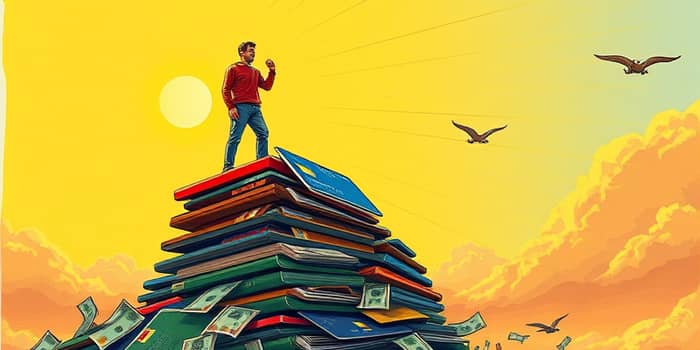
As of September 2025, the United States carried over $37 trillion in national debt, while household borrowing costs remained sky-high. With 89% of American families naming debt reduction as their top financial goal, individuals are eager to learn effective methods that deliver both immediate motivation and long-term savings.
In this comprehensive guide, we explore proven techniques to conquer credit card bills, personal loans, and other consumer debts. By combining powerful methods with disciplined budgeting, you’ll discover a clear path toward financial freedom and peace of mind.
Understanding the Debt Landscape in 2025
High interest rates and rising living costs have fueled a surge in consumer borrowing. Many people struggle to keep up with minimum payments, while credit utilization rates remain elevated. This context makes it more important than ever to adopt systematic approaches and proven methods for debt elimination.
Core Debt Repayment Strategies Overview
Experts agree on four fundamental tactics: the debt avalanche, debt snowball, debt consolidation, and balance transfers. Each offers unique benefits and challenges, depending on your personality, motivation style, and financial situation. Later sections will help you select the best fit.
Debt Avalanche Method
The debt avalanche focuses on attacking the highest-interest debt first. You continue paying minimums on all accounts, while directing any extra funds toward the obligation with the steepest rate. Once that balance is cleared, you roll those payments into the next-highest rate, creating an accelerating payoff effect.
By focusing on rate optimization, the avalanche strategy can minimize interest costs over the long haul and shorten the overall payoff timeline. However, early progress can appear slow, requiring patience and unwavering discipline.
Debt Snowball Method
The debt snowball prioritizes the smallest balances first, regardless of interest rate. After eliminating a minor debt, you channel freed-up funds to the next-smallest balance, building momentum and confidence with each win.
This method provides rapid initial victories to build confidence and is easier to track for many people. On the upside, it strengthens commitment through visible progress. On the downside, ignoring rates can lead to higher total interest paid over time.
Debt Consolidation
Debt consolidation involves combining multiple obligations into a single loan, often with a fixed rate and term. Borrowers with good credit can frequently secure lower average rates than those on credit cards, simplifying their payment schedules.
By uniting debts, you gain simplify multiple debts into one monthly obligation and establish a clear payoff timeline for peace of mind. This approach works best when you have several high-rate balances and can qualify for attractive loan terms.
Balance Transfers
Zero-percent APR balance transfer cards allow you to shift existing credit card debt onto a promotional rate for 12 to 24 months. Aggressively paying down the transferred balance during this window can slashes interest expenses dramatically.
While powerful, this tactic demands discipline. You must avoid running up new balances and plan to pay off the transferred amount before the promotional period ends, or risk steep post-promo rates.
Additional Strategies
Beyond the four main methods, augment your plan with these complementary tactics:
- Negotiate lower rates or create hardship programs directly with creditors.
- Track every debt: list balances, rates, minimums, and due dates.
- Increase income streams or cut discretionary expenses to free up extra cash.
- Build a small emergency fund to avoid resorting to new credit.
Choosing the Right Strategy for You
Selecting between momentum-driven and math-driven methods often comes down to psychology. If you thrive on early wins, the snowball can ignite your commitment. If you’re comfortable delaying gratification for maximum savings, the avalanche is ideal. Consolidation and transfers serve as tactical tools rather than standalone solutions in many cases.
Implementing Your Plan: Step by Step
Follow this roadmap to transform intention into action:
- Create a detailed inventory of all debts, including rates, balances, and payments.
- Decide on your primary strategy based on motivation style and financial goals.
- Set up automatic payments for minimums, then allocate extra funds to your target debt.
- Monitor progress monthly, adjusting as needed to stay on track.
Pitfalls to Avoid
Even the best plans can falter without vigilance. Watch for these common traps:
- Racking up new debt before clearing existing balances.
- Overlooking spending habits that undermine repayment efforts.
- Choosing consolidation loans without thoroughly comparing rates.
Real-World Impact and Motivation
Research from the Federal Reserve and behavioral studies shows that couples and individuals who stick to structured plans reduce overall interest payments by thousands of dollars. More importantly, the psychological boost from visible milestones strengthens financial habits long after debts are paid.
Whether you choose the avalanche, snowball, consolidation, or balance transfers, consistency and budgeting discipline remain the cornerstones of success. Combining methods—such as attacking high-rate debt while maintaining small motivational wins—often yields the best results.
Your Call to Action
Today is the day to take control of your finances. Begin by listing every debt on a single page, choose the strategy that aligns with your personality, and commit to regular check-ins. With track your progress and stay motivated and determination, you can transform your debt from burden to vanquished foe.
References
- https://www.jgwentworth.com/resources/3-biggest-strategies-for-paying-down-debt
- https://www.discover.com/personal-loans/resources/consolidate-debt/payoff-debt-snowball-vs-avalanche/
- https://www.westernsouthern.com/personal-finance/debt-reduction-strategies
- https://www.experian.com/blogs/ask-experian/avalanche-vs-snowball-which-repayment-strategy-is-best/
- https://www.bankruptcy-law-seattle.com/Articles/2025-tips-for-managing-debt-to-avoid-bankruptcy-your-guide-to-financial-freedom/
- https://www.wellsfargo.com/goals-credit/smarter-credit/manage-your-debt/snowball-vs-avalanche-paydown/
- https://consumer.ftc.gov/articles/how-get-out-debt
- https://www.fidelity.com/learning-center/personal-finance/avalanche-snowball-debt
- https://www.navyfederal.org/makingcents/credit-debt/debt-repayment-strategies.html
- https://blog.umb.com/debt-strategy-comparison-avalanche-snowball/
- https://dfpi.ca.gov/news/insights/three-steps-to-managing-and-getting-out-of-debt/
- https://commons.lib.jmu.edu/honors201019/699/
- https://nomoredebts.org/blog/dealing-with-debt/4-key-debt-reduction-strategies
- https://www.youtube.com/watch?v=kNQAXUeDS6c