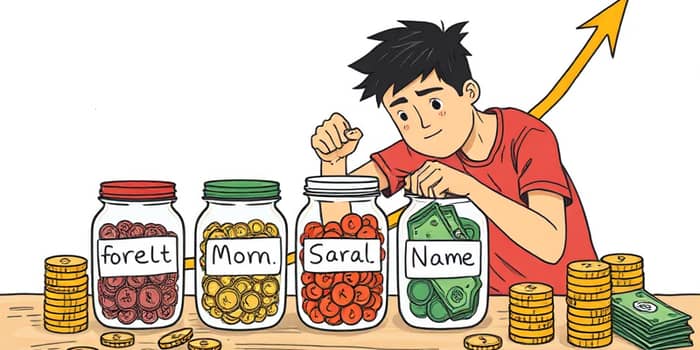
In an unpredictable world, having a robust emergency fund is not a luxury—it’s a necessity. Whether it’s a sudden car repair, an unexpected medical bill, or a job loss, these financial shocks can derail your life if you’re not prepared. This guide will show you how to build your safety net swiftly and effectively, ensuring you have the resources to face emergencies with confidence and peace of mind.
Why You Need an Emergency Fund
Financial experts agree that without a dedicated reserve, most people resort to high-interest debt or family loans when crises hit. According to recent surveys, only 44% of Americans could cover a $1,000 emergency from savings. Without a cushion, you risk accumulating debt and stress, jeopardizing long-term goals.
By setting aside a fund for true emergencies—roof leaks, urgent medical care, or sudden unemployment—you avoid taking on credit card balances or payday loans. This provides peace of mind during stressful times and keeps your financial future intact.
Setting Your Fund Goal
The general recommendation is to save three to six months of expenses. Essentials include rent, utilities, groceries, transportation, phone bills, insurance, and medication. Exclude non-essentials like streaming subscriptions or dining out. Adjust your target based on personal factors: self-employed individuals may need a two-tier fund—one for income variability and another for true emergencies.
Break your ultimate goal into smaller milestones to stay motivated. For example, aim for one month’s worth first, then two, and so on. Celebrate each milestone to reinforce the habit of saving consistently.
Step-by-Step Strategies
- Set a clear savings goal: Define your target and break it into weekly or monthly increments to stay on track.
- Open a dedicated account: Choose a high-yield savings account (HYSA) with FDIC protection and competitive interest rates to maximize growth.
- Automate your savings contributions: Treat your fund like a recurring bill, transferring a set amount immediately after each paycheck.
- Start small and build momentum: Even saving $20 to $25 each week adds up to over $1,300 a year.
- Trim non-essential expenses: Reassess subscriptions, dining out, and entertainment, redirecting those dollars toward your fund.
- Leverage windfalls: Allocate at least 50% of tax refunds, bonuses, or gifts directly into your emergency savings.
- Boost your income: Explore side hustles, freelance gigs, or cash-back rewards programs to generate extra contributions.
Acceleration Tactics: Smart Saving Secrets
Once your automated transfers are in place, supercharge your fund with these advanced strategies:
- If it wasn’t in your account, you never had it: Transfer funds immediately upon receipt of each paycheck to prevent spending temptations.
- Use a percentage-based approach: Commit to saving 5% or more of every paycheck, regardless of the amount.
- Manage variable income: During high-earning months, allocate a larger percentage to your fund to cover slower periods.
- Cash-back and rewards funnel: Direct all credit card cash-back and reward points toward your emergency savings.
- Maximize compounding growth: Keep your fund in a HYSA or money market account to earn higher interest over time.
Maintaining and Using Your Fund Wisely
Building your fund is only the first step. Maintaining it requires discipline and clear rules:
1. Review your savings goal every six months or after major life events such as a new job or the birth of a child. Adjust your target to reflect changes in your cost of living.
2. Use the fund only for genuine emergencies—unexpected medical bills, urgent home repairs, or sudden income loss. Avoid dipping into it for discretionary purchases.
3. Replenish the fund promptly after any withdrawal. Treat the repayment like an added savings goal to restore your safety net.
4. Consider using multiple cash-like accounts—such as a HYSA, money market fund, or an FDIC-insured brokerage cash product—to keep funds accessible while earning competitive yields.
Tracking Progress and Staying Motivated
Visual trackers can reinforce progress. Create a chart or use an app that displays your fund balance as it grows. Celebrate small wins—reaching your first month’s target, hitting the halfway mark, or completing your full six-month goal.
Regularly revisit your budget to identify new savings opportunities. Allocate any freed-up funds, such as when a subscription ends or a debt is paid off, to accelerate your fund growth.
Conclusion: From Preparation to Empowerment
An emergency fund is more than money in the bank—it’s a foundation for resilience. By setting clear goals, automating contributions, and applying smart saving tactics, you’ll cultivate a financial buffer that empowers you to face life’s uncertainties with strength and serenity.
Start today by opening a dedicated account, automating a modest transfer, and building momentum. With consistency, discipline, and the strategies outlined here, you’ll achieve financial peace of mind faster than you imagined. Your future self will thank you for the security you’ve created.
References
- https://www.pbtc.net/blog/post/how-to-build-an-emergency-fund-6-tips-and-strategies
- https://www.ebnemo.com/blog/post/how-to-build-an-emergency-fund-6-tips-and-strategies
- https://www.latimes.com/business/story/2025-11-21/building-emergency-fund-can-feel-daunting-but-these-tips-can-help
- https://www.ukfcu.org/blog/smart-strategies-for-building-an-emergency-fund
- https://www.stlouisfed.org/publications/page-one-economics/2025/sep/when-unexpected-happens-be-ready-with-emergency-fund
- https://bettermoneyhabits.bankofamerica.com/en/saving-budgeting/emergency-fund-tips
- https://www.consumerfinance.gov/an-essential-guide-to-building-an-emergency-fund/
- https://www.securian.com/insights-tools/articles/5-steps-to-building-an-emergency-fund.html
- https://www.morganstanley.com/articles/how-to-build-an-emergency-fund
- https://www.northwest.bank/news-insights/how-to-build-your-emergency-fund-and-use-it-wisely/
- https://investor.vanguard.com/investor-resources-education/emergency-fund
- https://www.pnc.com/insights/personal-finance/save/how-to-build-emergency-fund.html
- https://www.ithinkfi.org/blog/blog-detail/ithink-blog/2025/10/01/understanding-emergency-funds---savings-accounts-in-2025