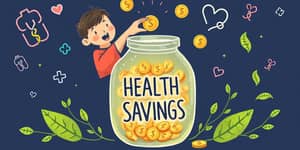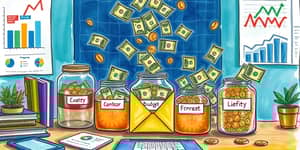
Every year, millions of workers across various industries miss out on critical support and compensation by not fully leveraging their benefits. Whether it’s a 401(k) match, health savings account, or mental health resources, unclaimed offerings represent lost opportunities for both employees and employers.
Current Benefits Landscape
In 2025, organizations are prioritizing affordable healthcare and financial wellbeing more than ever before. With a dynamic, multigenerational workforce spanning Baby Boomers to Gen Z, benefit packages must cater to a wide range of life stages and needs. Employers are innovating to contain rising healthcare costs while maintaining value, and 88% rate health-related perks as “extremely” or “very” important.
Despite high importance, significant participation gaps remain. Full-time workers enjoy broad access to medical care and retirement plans, but many still underutilize available offerings. Part-time staff face even lower enrollment rates.
Most Commonly Missed Benefits
Even when employees have access, many core offerings go unclaimed. Health insurance, dental and vision plans, paid leave, and legally required benefits are often overlooked during open enrollment periods. Fringe and voluntary options like HSAs, FSAs, dependent care assistance, wellness stipends, tuition reimbursement, and supplemental insurance also see low participation.
Emerging trends for 2025 include personalized benefits “cafeterias,” holistic wellness programs, telemedicine, fertility and elder-care support, and financial education tools. These newer offerings promise tailored experiences, yet awareness lags behind availability.
Why Employees Leave Money on the Table
A lack of clear communication and user-friendly enrollment systems drives perceived non-relevance. Employees may not grasp the future value of capturing a full 401(k) match, often equated to capture every dollar of employer match with minimal effort. Complex jargon, passive defaults, and limited ongoing education foster inertia.
Benefit designs sometimes miss the mark on specific life stages: younger workers may need family-building support, while older staff seek robust retirement planning. Without targeted messaging, employees fail to see the relevance of certain benefits, resulting in unused balances and untapped resources.
Quantifying the Cost
The financial impact of underutilized benefits is staggering. Millions are forfeiting significant pre-tax savings opportunities each year. For example, the average American loses about $339 annually in unused FSA funds. Similarly, failure to contribute enough to secure the employer match can cost employees up to 6% of their salary each year.
Wellness and EAP programs, despite strong employer investment, often see only 20–30% engagement. Dependent care credits of up to $5,000 remain unrealized, and voluntary insurance options are bypassed due to low awareness. These gaps translate to lost health support, diminished financial security, and reduced workplace satisfaction.
How Employers Can Close the Gap
Organizations must adopt proactive strategies that combine data, personalization, and continuous education. By doing so, they’ll promote holistic support for mind and body and maximize return on benefit investments.
- Insightful data-driven audits and surveys reveal utilization gaps and employee preferences, guiding targeted improvements.
- Personalized communications leverage technology to deliver tailored messages by age, role, and past engagement.
- Tiered plan structures and flexible benefit menus allow employees to allocate dollars where they need them most.
- Year-round education campaigns with decision-support tools and simple materials combat inertia and confusion.
- Regular feedback loops, including surveys and focus groups, ensure alignment with evolving employee needs.
How Employees Can Maximize Benefits
Individual action is equally vital. Employees who engage fully will unlock maximize your financial and health security and feel confident in their selections.
- Attend HR sessions and webinars to understand available options and key deadlines.
- Always contribute enough to your retirement plan to capture every dollar of employer match; it’s free compensation.
- Calculate and allocate funds to HSAs, FSAs, and dependent care accounts for significant pre-tax savings opportunities.
- Review benefit elections annually to accommodate major life events, such as births, marriages, or caregiving responsibilities.
- Proactively ask questions about less familiar perks like EAP, legal assistance, and tuition assistance.
Looking Ahead: The Future of Benefits
Advancements in AI and machine learning are revolutionizing how benefits are personalized and recommended. Soon, predictive analytics will suggest optimal benefit mixes based on individual health risk, financial goals, and career stage. Employers will also push for greater cost transparency and pharmacy benefit optimization.
Amid these innovations, the trend toward align benefits with individual life stages and holistic wellbeing—covering mental health, social connectivity, and financial resilience—will shape next-generation benefit ecosystems.
Conclusion & Call to Action
Unclaimed benefits represent missed opportunities to enhance health, financial security, and overall wellbeing. By implementing targeted employer strategies and encouraging proactive employee engagement, organizations can bridge utilization gaps and demonstrate streamlined enrollment and ongoing education.
Empower yourself to explore every available offering, and collaborate with your HR team to design benefits that serve your unique needs. Together, employees and employers can ensure no money is left on the table.
References
- https://www.payrollintegrations.com/insights/employee-benefits-trends-for-meeting-the-needs-of-a-multigenerational-workforce
- https://www.mercer.com/insights/total-rewards/employee-benefits-optimization/
- https://www.paychex.com/articles/finance/identifying-and-reporting-fringe-benefits
- https://ethosbenefits.com/employee-benefits-strategy/
- https://www.benefitfocus.com/state-of-employee-benefits
- https://happily.ai/blog/employee-benefits-engagement-strategies-for-better-results/
- https://www.nfp.com/human-capital/annual-benefits-trend-report/
- https://www.trupay.com/blog/employee-benefits-optimization-a-guide-for-mid-sized-businesses/
- https://www.yourmoneyline.com/blog/the-complete-handbook-to-optimizing-your-employee-benefits-package
- https://www.congress.gov/help/learn-about-the-legislative-process/how-our-laws-are-made
- https://www.mercer.com/en-us/insights/total-rewards/employee-benefits-strategy/health-and-benefit-strategies-report/
- https://sohookd.com/blog/how-to-improve-employee-benefits
- https://itif.org/publications/2024/09/16/china-is-rapidly-becoming-a-leading-innovator-in-advanced-industries/
- https://www.hubinternational.com/insights/outlook/2025/employee-benefits/
- https://www.kbibenefits.com/optimized-employee-benefits-strategies-to-improve-roi
- https://www.ncbi.nlm.nih.gov/books/NBK2682/
- https://www.paychex.com/articles/employee-benefits/employee-benefits-trends
- https://selerix.com/blog/managing-employee-benefits-a-strategic-guide-for-hr/
- https://www.marshmma.com/us/insights/details/employee-health-and-benefits-trends.html
- https://wellhub.com/en-us/blog/wellness-and-benefits-programs/optimize-employee-benefits/