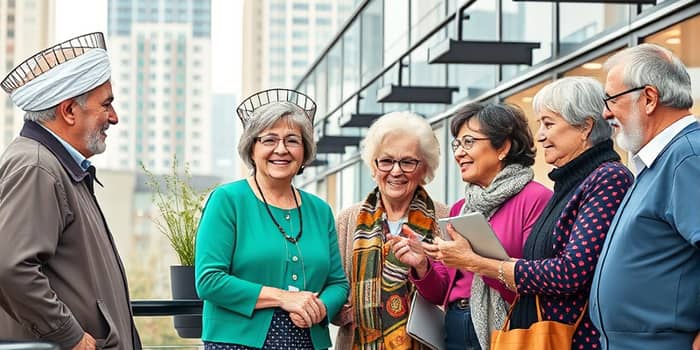
The global demographic shift toward longer lifespans represents one of the most profound economic and social transformations of our time. With more people aged 50 and older than ever before, the traditional narrative of ageing as a burden is giving way to a powerful new vision: the longevity economy.
By reframing ageing as an opportunity rather than a challenge, societies can tap into the economic power of older adults and unlock decades of spending, innovation, and social contribution.
Understanding the Longevity Economy
The longevity economy encompasses all economic activities driven by people aged 50 and above. Far from being passive consumers, this demographic wields substantial purchasing power, drives entrepreneurship, and enriches communities.
In 2020, individuals aged 50+ contributed $45 trillion to global GDP—equivalent to one-third of the world’s economic output and triple the revenue of the 100 highest-grossing companies combined. This underscores the imperative to build systems that ensure longer lives deliver security, dignity, and opportunity.
Key Drivers and Demographic Shifts
Population ageing is accelerating. By 2050, more than 2.1 billion people will be aged 60 or older, while those 65+ will number 1.6 billion—one in six worldwide and one in three in parts of East Asia and Southern Europe.
Already, for the first time in history, people aged 50+ outnumber children under 15. By 2040, there will be 800 million additional consumers over 50, especially in Asia’s fast-growing markets.
Six Principles for a Thriving Longevity Economy
To guide public-private collaboration and investment, the World Economic Forum has outlined six foundational principles that can make longer lives an asset rather than a liability.
- Financial resilience across life events: Build safety nets for career breaks, caregiving, and market downturns.
- Universal financial education and guidance: Equip individuals with tools to plan for decades of changing needs.
- Prioritize healthy ageing and prevention: Shift focus toward early screening, lifestyle education, and holistic well-being.
- Evolve jobs and skill-building pathways: Create flexible, multigenerational roles beyond traditional retirement ages.
- Foster social connection and purpose: Combat isolation through intergenerational programs and community networks.
- Address inequalities in access and outcomes: Ensure equitable health and financial services regardless of background.
Expanding Healthy Years: From Lifespan to Healthspan
While average life expectancy has risen by more than 50% over the past seven decades, people still spend up to 20% of their lives in poor health. The focus must shift from adding years to extend healthy years for everyone.
Key strategies include preventive care, robust health data systems, and evidence-based interventions. Models such as Okinawa’s diet-and-movement traditions, combined with strong social ties, illustrate how communities can age with vitality and purpose.
Investment Opportunities and Innovation
The longevity economy spans numerous sectors offering both social impact and financial returns. Investors, entrepreneurs, and policymakers are recognizing the vast potential to innovate.
- Healthcare technologies and personalized wellness
- Savings, insurance, and financial planning services
- Advanced caregiving solutions and assisted living
- Flexible employment platforms and reskilling programs
- Age-friendly housing and mobility solutions
- Digital platforms for social engagement and learning
By embedding inclusive design principles, companies can capture new markets and improve quality of life for older consumers.
Building an Inclusive Future
Regional variations in ageing require tailored strategies. High-income countries must reform pension systems and healthcare, while emerging economies have the chance to learn from global best practices before reaching the oldest age profiles.
Policies that combat social isolation and loneliness and promote lifelong learning will enable older adults to remain active contributors in every community.
Practical Steps for Stakeholders
Delivering on the promise of the longevity economy demands coordinated action by governments, businesses, and civil society.
- Governments: Incentivize private investment, reform retirement systems, and strengthen public health infrastructure.
- Employers: Offer phased retirement options, cross-generational mentorship, and ongoing skills training.
- Financial institutions: Develop tailored tools for long-term savings, risk management, and legacy planning.
- Healthcare providers: Integrate preventive services, mental health support, and community outreach.
- Community groups: Launch intergenerational programs, volunteer networks, and social hubs.
- Individuals: Seek financial literacy resources, maintain healthy lifestyles, and engage in lifelong learning.
The longevity economy is not a distant vision—it is unfolding today. Recognizing older adults as a source of creativity, consumption, and community leadership can drive sustainable growth, enhance social cohesion, and enrich lives across generations.
By embedding the six principles into policies, products, and practices, societies will transform longer lives from a challenge into an extraordinary opportunity for security, dignity, and joy.
References
- https://www.weforum.org/stories/2024/02/longevity-economy-principles-ageing-population/
- https://orionhealth.com/us/blog/rethinking-ageing-embracing-the-rise-of-the-longevity-economy/
- https://www.brookings.edu/articles/the-age-of-the-longevity-economy/
- https://www.aspeninstitute.org/blog-posts/a-short-guide-to-the-longevity-economy/
- https://www.mercer.com/en-om/insights/people-strategy/future-of-work/the-age-of-opportunity-lead-in-the-longevity-economy/
- https://the100yearlifestyle.com/longevity-economy/