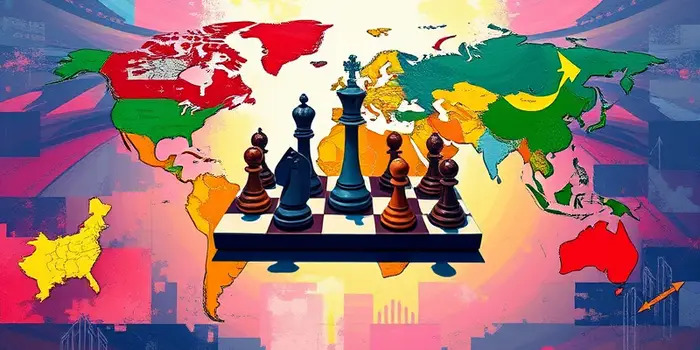
The world is a complex chessboard where geopolitical moves shape the future of investments and economies.
Understanding this dynamic landscape is crucial for making informed decisions in an era of uncertainty.
This article delves into the key geopolitical powers and their priorities to help you navigate the risks and opportunities ahead.
Geopolitical shifts are accelerating, driven by rivalries, conflicts, and technological advancements.
As a result, global events have profound implications for sectors ranging from technology to defense.
By staying informed, investors can adapt and thrive in this volatile environment.
Let's explore the major players and trends that will define 2026 and beyond.
The Key Players: Geopolitical Powers and Their Priorities
Different nations are pursuing distinct strategies that impact global stability and trade.
The United States is at the forefront with its "America First" agenda focusing on economic revival.
China is adopting a bolder stance globally while reducing foreign dependencies in key industries.
Europe faces internal challenges but is slowly adjusting its economic and defense policies.
The Global South is gaining influence by deepening ties with emerging powers like China.
Here are the primary geopolitical actors and their main objectives:
- US: Pursuing deregulation, tariffs, and unconventional interventions to rebuild industry; leveraging economic tools for geopolitical aims, including military actions in regions like Venezuela.
- China: Advancing manufacturing and technology in its five-year plan; facing economic headwinds but maintaining aggressive postures in areas like the South China Sea.
- Europe/EU: Constrained by economic sluggishness and divisions; focusing on self-defense and trade deals to open markets to billions of customers.
- Global South/Emerging Powers: Wielding major influence through deepening China ties and accelerating roles in global politics.
- Other Actors: Including Russia probing Europe with grey-zone operations, and Middle East power centers like Iran and GCC nations navigating internal weaknesses.
These priorities create a patchwork of alliances and tensions that investors must monitor.
Global Trends and Emerging Risks
Beyond individual powers, overarching trends are reshaping the geopolitical landscape.
The US-China rivalry is the core dynamic, influencing everything from trade to technology.
State interventionism is rising, with tariffs and trade deals becoming dominant tools.
Conflicts are expanding, with spillover risks affecting global supply chains and stability.
Key trends to watch include:
- US-China Rivalry: Evolving from competition to new collaborations, with tech and AI races defining economic and national security stakes.
- State Interventionism and Trade Pressures: Reshaping environments through export controls and tariffs, as seen in US-led initiatives.
- Conflicts and Expansion: Approximately 60 ongoing wars, highest since WWII, with risks in Ukraine, Middle East, and Venezuela.
- Tech/Cyber/AI Developments: Sovereign AI and cyber conflicts creating new vulnerabilities and opportunities.
- Resource Scarcity: Water shortages and critical mineral rushes adding pressure to global economies.
- Other Shocks: Debt vulnerabilities and geopolitical turbulence persisting, with 2025 events setting the stage for 2026 volatility.
These trends underscore the need for strategic foresight in investment planning.
Conflicts to Watch in 2026
Specific conflicts pose significant threats to global peace and economic stability.
From the International Crisis Group’s list, here are the top conflicts likely to escalate in the coming year.
Each has the potential to disrupt markets and require adaptive responses from businesses.
- Ukraine: Continued front-line slog with risks of skewed diplomacy under potential US policy shifts.
- Europe-Wide Risks: Putin's escalation via probes and grey-zone operations, including nuclear miscalculations.
- Taiwan and South China Sea: Xi's aggressive posturing with minimal triggers for crisis.
- Venezuela: US military buildup and potential blockades targeting the Maduro regime.
- Middle East: Persistently high tensions with risks of broader conflicts.
- Afghanistan-Pakistan Region: Mediation by Gulf and Türkiye powers amid ongoing instability.
- Other Ongoing Conflicts: Such as Sudan, Myanmar, and the Sahel, lacking peace deals and stability.
Monitoring these hotspots is essential for mitigating investment risks.
Pivotal Events: Marking the Calendar
Key events in 2026 will test geopolitical alignments and influence market dynamics.
These include elections, summits, and other markers that could shift policies.
Staying ahead of these dates allows investors to anticipate changes and adjust strategies.
- 2026 US Midterm Elections: A test of support for rapid geopolitical and economic changes under the current administration.
- NATO Summit: Scheduled for July 7-8 in Ankara, Türkiye, focusing on defense spending and alliance cohesion.
- General Developments: Building on a bloody 2025, with little improvement expected, highlighting persistent volatility.
These events serve as critical inflection points in the global narrative.
Navigating the Chessboard: Practical Investment Implications
Geopolitical forces directly impact investment opportunities and risks across sectors.
By understanding these implications, investors can make more informed and resilient choices.
Here are the key areas where geopolitical shifts create tangible effects for portfolios.
First, consider the broader business and supply chain disruptions from expanding conflicts.
Trade dependencies and tariffs are reshaping global commerce, with opportunities in new markets.
Sector-specific impacts are outlined in the table below to guide strategic decisions.
Beyond sectors, strategic shifts are essential to grasp for long-term planning.
These include friendshoring and export control clubs that redefine global trade networks.
Economic tools like tariffs are now used for geopolitical aims, requiring adaptive supply chains.
To thrive, consider these actionable steps:
- Diversify Supply Chains: Reduce dependencies on single regions by exploring alternatives in the Global South.
- Monitor Tech Regulations: Stay updated on AI and cyber policies to avoid compliance risks.
- Assess Conflict Exposure: Evaluate investments in sectors like energy and defense for potential disruptions.
- Leverage Trade Deals: Capitalize on new agreements, such as Europe's openings to billions of customers.
- Prepare for Volatility: Build resilient portfolios with assets that can withstand geopolitical shocks.
Embracing these strategies can turn challenges into opportunities for growth.
Geopolitical volatility is here to stay, but with insight, investors can navigate it successfully.
By focusing on practical steps and staying informed, you can position yourself advantageously.
Remember, the global chessboard is constantly evolving, and adaptability is key to success.
Use this knowledge to inspire confidence and make decisions that align with long-term goals.
References
- https://www.bcg.com/publications/2025/geopolitical-forces-shaping-business-in-2026
- https://www.ey.com/en_be/insights/geostrategy/geostrategic-outlook
- https://www.crisisgroup.org/global/10-conflicts-watch-2026
- https://www.gisreportsonline.com/r/challenges-in-2026-and-beyond/
- https://www.firstpost.com/opinion/ten-global-shocks-that-shaped-2025-and-will-define-2026-13964572.html
- https://www.brookings.edu/articles/a-look-back-at-2025-and-whats-in-store-for-2026-from-the-global-economy-and-development-program/
- https://www.controlrisks.com/our-thinking/geopolitical-calendar