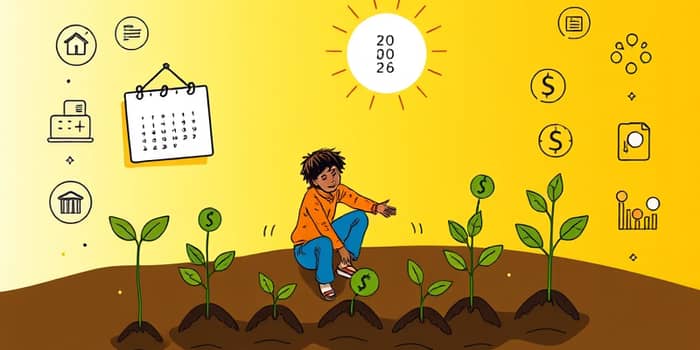
As 2026 approaches, many of us set ambitious financial resolutions, only to see them fade by February.
The key to lasting wealth isn't in dramatic overhauls but in the small, daily habits that build momentum over time.
With economic factors like inflation at 3.0% and interest rates shifting, adopting practical, consistent actions can secure your financial future.
This year, focus on habits that compound quietly yet powerfully.
Let's dive into the steps that can transform your finances.
The Power of Small Habits in 2026
Resolutions often fail because they lack daily support.
Habits, however, thrive on repetition and automation.
In 2026, economic shifts like cooling inflation demand flexibility.
By embracing consistency over intensity, you build resilience.
Think of each habit as a brick in your wealth foundation.
Small actions today lead to significant growth tomorrow.
Positive Habits to Start for Wealth-Building
Begin with foundational practices that build financial awareness.
Track every expense using apps or spreadsheets.
This uncovers leaks like forgotten subscriptions.
Next, implement the 50/30/20 budgeting rule.
Allocate 50% to needs, 30% to wants, and 20% to savings.
Adjust this quarterly as your income or goals change.
Automate your savings and investments to pay yourself first.
Direct a portion of each paycheck to high-yield accounts.
Start with as little as $20 monthly to harness compounding.
Build an emergency fund covering 6-12 months of expenses.
This provides a safety net against unexpected crises.
Invest early in diversified assets like stocks and ETFs.
Markets show resilience, making long-term growth achievable.
Diversify your income through side hustles or freelance work.
This adds layers of financial security in uncertain times.
Maintain credit health by automating payments and checking reports.
Good credit opens doors to better loan terms and rates.
Embrace low-cost intentional living to reduce unnecessary spending.
Swap expensive outings for free events or potlucks with friends.
- Track spending with apps like YNAB or Monarch.
- Budget using the 50/30/20 rule for balance.
- Automate 15% of income to retirement accounts.
- Build an emergency fund in a high-yield savings account.
- Invest in diversified portfolios for long-term growth.
- Diversify income with side gigs aligned to skills.
- Maintain credit through on-time payments and alerts.
- Live intentionally to avoid financial hangovers.
Bad Habits to Ditch for a Brighter 2026
Identify and replace behaviors that drain your resources.
Overspending often masquerades as self-care but empties wallets fast.
Use the 30-day rule to pause before non-essential purchases.
Maxing out credit cards leads to crippling interest charges.
Pay balances on time and avoid reliance on credit for daily needs.
Relying on payday loans traps you in a cycle of debt.
Build that emergency fund instead to cover unexpected costs.
Setting goals without supporting habits ensures failure.
Focus on small, automatable actions that reinforce your aims.
Glorifying weekend overspending adds up to significant losses.
Opt for low-cost social activities like hikes or game nights.
Ignoring retirement contributions misses out on compounding growth.
Automate contributions to start building wealth early.
Neglecting credit checks limits your financial opportunities.
Set up auto-payments and alerts to stay on top of bills.
Single income reliance increases risk during job loss.
Diversify with side hustles for added resilience.
Impulse buys sneakily leak funds without awareness.
Track spending diligently to spot and curb these habits.
Over-generosity without boundaries can harm your financial security.
Create a monthly helping budget to give without strain.
- Replace overspending with the 30-day waiting rule.
- Avoid maxing credit cards by paying on time.
- Ditch payday loans by building an emergency fund.
- Support goals with small, consistent habits.
- Swap expensive weekends for affordable socials.
- Automate retirement contributions to harness compounding.
- Maintain credit health with regular checks and alerts.
- Diversify income to reduce reliance on one source.
- Use trackers to prevent impulse purchases.
- Set boundaries for generosity with a dedicated budget.
Key Stats and Economic Context for 2026
Ground your habits in data for credibility and motivation.
Inflation is projected at 3.0% YoY CPI, cooled but persistent in sectors like housing.
This makes budget flexibility and intentional spending crucial for adaptation.
Interest rates, with the Fed funds at 4.00-4.25%, offer lower borrowing costs but reduced savings yields.
Balance saving and investing to optimize returns in this environment.
Savings targets include allocating 15% of income to retirement.
Aim for 6-12 months of expenses in your emergency fund.
Even small extras like $20-30 monthly can compound significantly over time.
The 50/30/20 rule provides a simple framework for budgeting.
The 30-day impulse rule helps curb unnecessary spending.
Reviewing subscriptions and bills often yields quick financial wins.
Automation ensures consistency, which is more effective than sporadic intensity.
- Inflation: 3.0% YoY CPI, requiring adaptive budgeting.
- Interest rates: Fed funds at 4.00-4.25%, influencing save/invest decisions.
- Savings target: 15% to retirement for long-term growth.
- Emergency fund: 6-12 months' expenses for stability.
- Small contributions: $20-30 monthly compounds over years.
- Budget rule: 50/30/20 for balanced allocation.
- Impulse control: 30-day rule to reduce spontaneous buys.
Mindset Shifts for Lasting Wealth in 2026
Adopt perspectives that support sustainable financial growth.
Prioritize consistency over intensity in your daily actions.
Small, regular reviews and adjustments build confidence and clarity.
View budgeting as empowerment, not restriction, especially amid economic shifts.
Intentional spending allows you to invest in what truly matters.
Reflect regularly on what went well and what needs improvement.
Celebrate progress, no matter how small, to stay motivated.
Embrace a wealth mindset that starts with basics like protecting your emergency fund.
Set clear goals and pivot your thinking, even if you were never taught money skills.
Focus on protecting your credit and setting achievable targets.
Mindset shifts turn financial tasks from chores into opportunities for growth.
- Consistency beats intensity for long-term success.
- Budgeting empowers you to control your financial destiny.
- Regular reflection enhances decision-making and adaptation.
- Celebrate small wins to maintain momentum.
- Start with basics: protect, set goals, and shift mindset.
Tools and Resources to Support Your Habits
Leverage technology and platforms to streamline your financial journey.
Use apps like YNAB or Monarch for tracking expenses and budgets.
Spreadsheets offer a customizable alternative for detailed logging.
Platforms like Fidelity recommend allocating 15% to retirement accounts.
They provide access to stocks, ETFs, and mutual funds for diversification.
High-yield savings accounts are ideal for emergency funds, offering better returns.
Money apps can assist with investing and budgeting on the go.
Consume one piece of finance education weekly to stay informed.
This could be a podcast, article, or book on personal finance.
Tools automate processes, reducing the mental load and increasing adherence.
- Tracking apps: YNAB, Monarch, or spreadsheets for awareness.
- Investing platforms: Fidelity for retirement and diversified assets.
- High-yield savings: For emergency funds with better interest.
- Finance education: Weekly consumption to boost knowledge.
- Automation tools: Set up auto-transfers for savings and bills.
Your 2026 Financial Reset Checklist
Take actionable steps to implement these habits starting today.
Review your 2025 goals and spending to identify patterns.
Reflect on what worked and adjust your budget accordingly.
Automate savings and investments to ensure consistency.
Set one new financial goal for the year, such as increasing retirement contributions.
Consume one finance education piece weekly to stay motivated.
Ditch one bad habit, like impulse buying, and replace it with a positive one.
Celebrate your progress regularly to maintain enthusiasm.
This checklist provides a practical roadmap for success in 2026.
- Review past goals and spending patterns.
- Reflect and adjust your budget quarterly.
- Automate savings and investment contributions.
- Set one new achievable financial goal.
- Learn weekly through finance resources.
- Replace a bad habit with a supportive one.
- Celebrate milestones to stay engaged.
In 2026, your financial future hinges on the habits you cultivate now.
Start with one small step, like tracking expenses or automating savings.
Build momentum through consistency and celebrate each victory.
By ditching harmful behaviors and embracing positive practices, you pave the way for lasting wealth.
Let this year be the one where your habits transform your finances for good.
References
- https://www.the-independent.com/tv/money-smart/money-habits-worth-starting-in-2026-b2884898.html
- https://www.nasdaq.com/articles/4-bad-money-habits-ditch-2026
- https://madamenoire.com/1606584/money-habits-im-dropping-in-2026/
- https://www.finhabits.com/get-ahead-of-2026-your-budget-reset-starts-now/
- https://www.vectrabank.com/personal/community/two-cents-blog/Save-Smarter-in-2026/
- https://www.nasdaq.com/articles/5-wealth-building-habits-start-2026-even-if-no-one-ever-taught-you-about-money