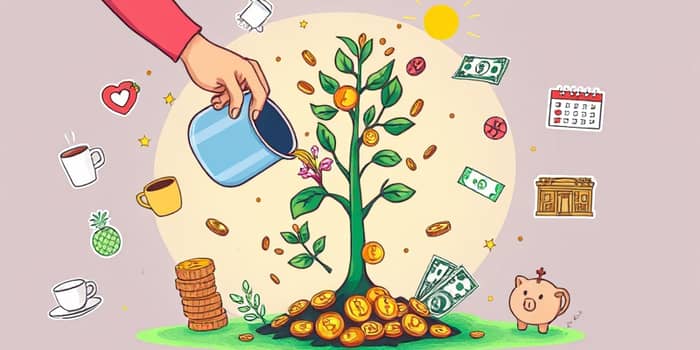
Building wealth can feel overwhelming when faced with long-term goals like retirement, debt freedom, or emergency savings. Yet, the secret lies in small, consistent changes in spending—tiny shifts that accumulate into significant financial gains over years. This approach leverages behavioral science and the magic of compound interest to turn everyday decisions into catalysts for lasting stability and confidence.
In this article, you will discover evidence-based insights, real-life examples, and practical strategies to transform your money habits. From cutting unnecessary subscriptions to automating transfers, each step is designed to be manage monthly finances with ease, no matter your starting point or income level.
Why Small Financial Changes Matter
Psychological research shows that people stick to minor adjustments more readily than drastic makeovers. By focusing on incremental wins, you build momentum and reinforce positive behaviors. Financially, even five dollars saved per week compounds over time. By embedding these actions into daily routines, you counter decision fatigue and create a positive feedback loop that fuels further progress.
Moreover, small victories reduce stress and increase motivation. As you observe your savings account grow, you gain confidence and are more likely to tackle larger financial challenges. The concept of build an emergency fund incrementally empowers you to break daunting goals into manageable milestones.
Harnessing Compound Interest
Compound interest is the engine that amplifies your efforts. When you contribute regularly—whether $20 or $200 per month—your money earns returns not only on the principal but also on the interest accrued. Over decades, this exponential growth can transform modest habits into substantial nest eggs.
Consider these scenarios demonstrating how consistent savings and investment at conservative rates can reshape your financial future:
These examples reveal that automate savings and investments effortlessly can lead to life-changing sums without radical lifestyle changes.
Actionable Micro-Habits that Add Up
Integrating specific daily or weekly actions can jumpstart your journey. The key is consistency—small adjustments repeated over time overcome inertia and reduce friction in your routine.
- Eat out less: skip one restaurant meal weekly
- Cancel unused subscriptions and redirect funds
- Round up purchases to invest spare change
- Automate bi-weekly savings transfers
- Review and tweak your budget monthly
- Delay impulse buys by 24 hours
- Reduce utility usage and reinvest savings
- Pack coffee and lunch at home
By embracing these habits, you set a foundation for increase financial confidence over time and long-term success.
Building Sustainable Savings Routines
Habit stacking—pairing a new financial action with an existing routine—makes savings virtually effortless. For example, transfer a set amount to savings right after you receive your paycheck or review your budget each morning over coffee. This approach leverages behavioral momentum and minimizes the need for willpower.
Combining multiple small strategies creates a robust framework, allowing you to save more without feeling deprived. When money management becomes a seamless part of your lifestyle, you cultivate resilience against future financial shocks.
Micro-Habits for Debt Reduction
Debt can feel like a heavy anchor, but micro-payments chip away at the principal faster than expected. Adding just $50 or 10% extra to your monthly loan payments significantly reduces interest costs and shortens repayment timelines. Over time, the interest saved can then be redeployed to your savings or investment accounts.
When you adopt reduce debt faster with micro-payments, you regain control of your finances and reduce stress, laying the groundwork for future wealth accumulation.
Tracking Progress and Staying Motivated
Regularly monitoring your spending and savings habits is essential for sustained improvement. Tracking tools reveal hidden expenditures, such as unused subscriptions or impulse purchases. Studies show that individuals who track expenses save up to 20% more of their income.
Set clear milestones—monthly savings goals, debt reduction targets, or investment benchmarks—and celebrate achievements along the way. Visual feedback strengthens accountability and keeps motivation high. Using budgeting apps and spreadsheets, you create a real-time snapshot of your financial health and can adjust strategies proactively.
Overcoming Common Obstacles
External pressures like inflation, rising interest rates, and unexpected expenses can derail progress. However, small habit adjustments can offset these challenges. Revisiting your budget during economic shifts, renegotiating bills, or temporarily redirecting a portion of savings to an emergency fund can maintain forward momentum.
By focusing on manage unexpected costs with agility you stay adaptable and minimize setbacks, ensuring your long-term goals remain within reach despite external fluctuations.
Early Education and Generational Trends
Financial habits often form during childhood, influenced by family behaviors and societal norms. Teaching budgeting, saving, and smart spending early equips future adults with critical money management skills. According to surveys, 72% of young adults have taken steps to improve financial health in the past year, highlighting generational shifts toward proactive planning.
Understanding these trends enables you to tailor strategies for different life stages, ensuring that both novices and seasoned savers can benefit from consistent incremental habit formation.
Practical Steps to Get Started
Taking the first step is often the hardest part. To simplify the process, follow these actionable guidelines:
- Identify one habit to implement this week
- Set up automated transfers in your banking app
- Review and adjust your budget every month
- Use round-up features for spare-change investing
- Pay an extra 10% on any loan or credit balance
- Track all expenses and celebrate progress
These practical actions lay the groundwork for remarkable long-term results, proving that consistency trumps size in savings and debt reduction.
Every journey begins with a single step, and by adopting these micro-habits, you harness the power of compounding, automation, and behavioral science. With each small adjustment, you move closer to debt freedom, robust savings, and financial peace of mind.
Remember, it’s not about how much you can save in a single leap; it’s about building sustainable routines that serve you over decades. Let these strategies guide you toward a future where financial stress is replaced by opportunity, growth, and lasting prosperity.
References
- https://www.lifestoryfp.com/post/habit-stacking-your-finances-7-small-changes-that-can-lead-to-big-savings
- https://ceawealth.com/2024/04/02/how-small-investments-make-a-big-impact-over-time/
- https://pursestrings.co/small-changes-that-make-a-big-impact-a-financial-journey/
- https://www.weraddicted.com/small-changes-that-could-have-big-impacts-on-your-finances/
- https://www.bostonfed.org/publications/current-policy-perspectives/2025/why-has-consumer-spending-remained-resilient.aspx
- https://www.consumerfinance.gov/consumer-tools/educator-tools/youth-financial-education/learn/financial-habits-norms/
- https://newsroom.bankofamerica.com/content/newsroom/press-releases/2025/07/confronted-with-higher-living-costs--72--of-young-adults-take-ac.html
- https://www.cbpp.org/research/poverty-and-inequality/a-guide-to-statistics-on-historical-trends-in-income-inequality
- https://afaeducation.org/blog/tiny-habits-big-changes-the-power-of-small-steps/
- https://www.fdic.gov/consumer-resource-center/2024-01/starting-small-can-lead-big-savings
- https://www.bankrate.com/banking/savings/see-how-to-save-money-through-small-savings-over-time/
- https://www.ellevest.com/magazine/12-small-money-habits-to-pick-up-in-2025
- https://usa.visa.com/partner-with-us/visa-consulting-analytics/economic-insights/the-sudden-increase-in-the-wealth-effect-and-its-impact-on-spending.html
- https://www.schwab.com/learn/story/big-impact-small-changes
- https://oakharvestfg.com/blogs/micro-financial-habits-that-can-lead-to-peace-of-mind-in-retirement/
- https://www.gncu.org/blog/small-changes-big-savings-10-habits-to-save-more-in-the-new-year/
- https://www.nationaldebtrelief.com/news-media/survey-findings-bad-money-habits-by-generation/
- https://www.boldin.com/retirement/micro-financial-habits/