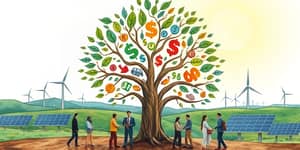
The global economy operates on rhythms that span generations, moving in vast, powerful waves that can reshape industries and define eras.
Commodity supercycles are among the most significant of these patterns, offering both immense opportunities and formidable challenges for investors and policymakers alike.
By learning to recognize and adapt to these cycles, you can position yourself to ride the crest of prosperity rather than be swept away by economic turmoil.
These cycles are not mere fluctuations; they are transformative forces that demand strategic insight and proactive planning.
What Are Commodity Supercycles?
Commodity supercycles refer to extended periods of sustained price increases across multiple commodities, such as energy, metals, and agriculture.
Unlike regular business cycles that last 2–8 years, supercycles can persist for 5 to 40 years, often driven by structural shifts in demand rather than short-term fluctuations.
These cycles typically involve broad-based price rises of 20–40% above historical averages, with distinct phases of expansion, peak, contraction, and trough.
Key markers include multi-year durations where prices remain well above or below long-run trends, as defined by institutions like the Bank of Canada.
The defining characteristic is a mismatch between supply and demand that takes years to resolve, creating lasting impacts on global economies.
- Duration: 5–40 years, far exceeding normal cycles.
- Price Threshold: Increases of 20–40% above trend levels.
- Commodities Affected: Broad range including energy, metals, and agriculture.
- Drivers: Structural demand surges from industrialization or technological shifts.
Understanding these elements is the first step to leveraging supercycles for personal and financial growth.
A History of Economic Waves
Over the past 150–200 years, 4–5 major supercycles have been identified, each linked to pivotal global events.
These historical waves provide a roadmap for understanding how and why supercycles emerge and evolve.
One of the earliest recorded supercycles spanned from 1899 to 1932, driven by U.S. industrialization and the advent of electrification.
The post-World War II era from 1945 to 1975 saw another surge, fueled by reconstruction efforts and urbanization in Europe and Japan.
The 2000s brought a supercycle centered on China's explosive growth, lasting about 10–15 years until the 2008 financial crisis.
Each cycle features long supply lags, such as the 5–10 years required to develop new mines or oil fields, which initially allow demand to outstrip supply.
This table illustrates the long-lasting nature of these cycles and their profound effects on commodity markets.
Drivers of the Next Big Cycle
Supercycles stem from structural mismatches between supply and demand, often triggered by transformative global trends.
Demand surges, such as rapid industrialization or urbanization, create a voracious appetite for resources like steel, cement, and energy.
Currently, the energy transition towards electrification and electric vehicles is driving unprecedented demand for commodities like copper and lithium.
Supply constraints exacerbate these cycles, with long lead times for new production facilities, such as mines that take 5–10 years to become operational.
Monetary factors, including fiscal stimulus and low real interest rates, can fuel speculation and further inflate prices.
- Demand Surges: Driven by infrastructure needs, energy transition, and AI data centers.
- Supply Constraints: Long lead times and peaking supplies, such as copper deficits.
- Monetary Factors: Debasement of fiat currencies and fiscal policies post-COVID.
- Geopolitical Tensions: U.S.-China rivalry affecting trade in rare earths and batteries.
- Technological Shifts: Clean energy adoption creating persistent demand for specific commodities.
These drivers intertwine to create a powerful force that can sustain supercycles for decades.
The Current Supercycle: Real or Hype?
Evidence suggests that we are in the early-to-mid stages of a new supercycle starting around 2020, with prices breaking multi-year highs across sectors.
Despite recession fears, demand from the energy transition, AI development, and reshoring efforts continues to outpace supply, indicating a genuine cycle.
This cycle is unique compared to past ones due to supply peaks and deficits, not just investment reluctance, making it more resilient to short-term downturns.
For example, commodity prices remained elevated even amid economic slowdowns in 2022, risking stagflation scenarios.
Monetary pressures, such as high national debt and low interest rates, along with the green tech revolution, are likely to sustain this cycle.
- Price Peaks: Brent crude oil reached ~$140 per barrel in 2022, with similar highs in wheat.
- Commodity Gains: Copper prices have increased by over 50%, lithium by nearly 90% from prior lows.
- Sustained Demand: Infrastructure projects and electric vehicle production are key drivers.
- Supply Challenges: Deficits in metals like copper could last for years due to slow production ramp-up.
This current wave offers both unprecedented opportunities and significant risks that require careful navigation.
Economic Impacts and Global Shifts
Supercycles have profound effects on economies worldwide, creating both winners and losers.
Positive impacts include booms for commodity-exporting nations like Australia, Canada, and Brazil, where mining activities can boost household incomes significantly.
Infrastructure developments, such as new rail lines and ports, often accompany these booms, strengthening local economies.
However, negative consequences arise as well, including inflation that prompts central banks to hike interest rates, potentially leading to recessions.
Post-boom busts can cause unemployment spikes and property market crashes in regions reliant on mining or energy extraction.
- Benefits for Exporters: Currency strength, equity rotation to value stocks, and higher national incomes.
- Inflationary Pressures: Higher costs for goods and services, impacting consumers globally.
- Human and Social Costs: Boom-town busts that devastate communities, as seen post-2000s in areas like Australia and Chile.
- Global Reshaping: Shifts in economic power towards resource-rich nations and increased investment in physical assets.
Understanding these impacts helps in making informed decisions whether you are an investor, business leader, or policymaker.
Strategic Investment Considerations
To capitalize on commodity supercycles, strategic positioning is essential, whether you are an individual investor or a corporate leader.
Investing early in commodities or mining companies can yield substantial returns as prices rise during the expansion phase.
Diversify into related assets, such as currencies of commodity-exporting countries or infrastructure funds that benefit from increased resource extraction.
Monitor key indicators like supply chain developments, geopolitical events, and technological advancements that could affect commodity demand.
Be aware of the risks, such as the possibility that high prices could trigger recessions, ending cycles prematurely and leading to sharp downturns.
- Timing is Crucial: Enter during early expansion phases to maximize gains.
- Diversify Strategies: Include miners, currencies, and infrastructure in your portfolio.
- Watch Geopolitics: Trade policies and tensions can create price premiums or disruptions.
- Assess Risks: Consider stagflation scenarios and potential demand destruction from high prices.
- Long-Term Perspective: Supercycles unfold over decades, requiring patience and a forward-looking approach.
These strategies empower you to harness the power of supercycles for sustainable growth.
Commodity supercycles are more than just economic phenomena; they are transformative forces that redefine how we live and work.
By understanding their patterns, drivers, and impacts, you can navigate these waves with confidence and purpose.
Embrace the opportunities they present, while remaining vigilant to the challenges, and you may find yourself riding the crest of the next great economic wave.
The journey requires resilience, but with the right knowledge, you can turn uncertainty into advantage.
References
- https://www.dws.com/en-us/insights/cio-view/macro/a-commodity-supercycle/
- https://discoveryalert.com.au/monetary-debasement-commodity-supercycle-2025/
- https://www.mining.com/the-commodity-supercycle-revisited/
- https://www.spglobal.com/energy/en/news-research/blog/crude-oil/080222-fft-warning-signs-energy-prices-metals-agriculture-supercycle
- https://corporatefinanceinstitute.com/resources/economics/supercycle/
- https://verifiedinvesting.com/blogs/education/the-commodities-supercycle-when-raw-materials-drive-market-destiny
- https://www.tradingview.com/chart/MSFT/x83LYGGe-Commodity-Supercycle-Concept-Causes-and-Global-Impact/
- https://am.jpmorgan.com/ch/en/asset-management/per/insights/market-insights/market-updates/on-the-minds-of-investors/clean-energy-investment/
- https://capital.com/en-int/analysis/commodity-supercycle-explained
- https://en.wikipedia.org/wiki/2000s_commodities_boom